
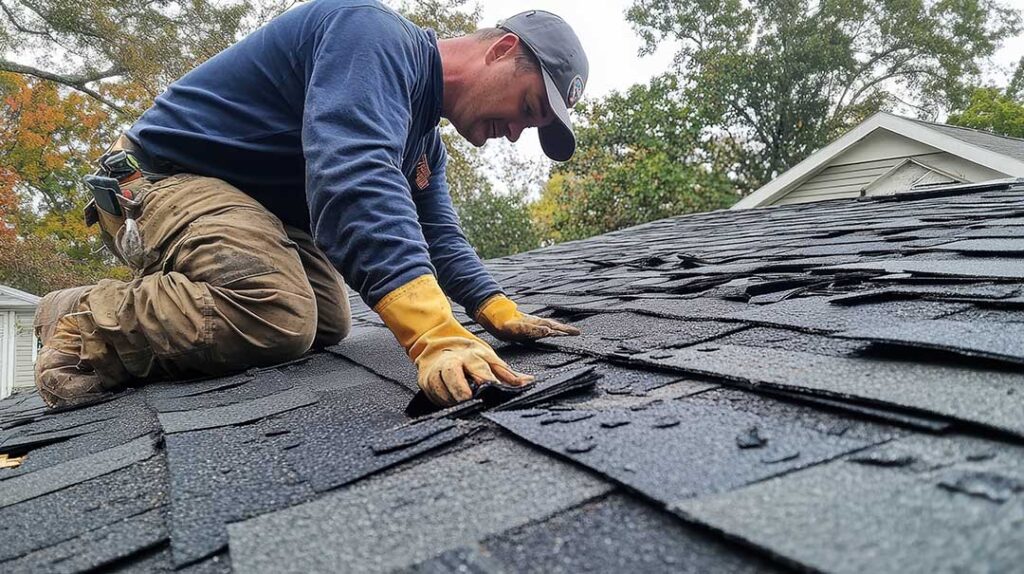
How Can Roof Repairs Be Handled During a Crisis?
Essential roof repairs can't always wait, even during a public health emergency or other community crisis. During COVID-19 or similar situations, safety becomes a bigger concern—not only for the homeowners but also for anyone performing repairs. Residents in Marcellus, NY should approach roof work with extra caution, awareness of local guidance, and a focus on minimizing risk to households and the broader community.
Are Roof Repairs in Marcellus, NY Considered Essential During Crises?
In most crisis scenarios, emergency repairs to resolve immediate threats—such as active leaks, major storm damage, or hazards to health and safety—are considered essential. Non-urgent improvements or upgrades are generally best delayed until restrictions ease.
Common essential roof repairs might include:
- Fixing leaks that cause water damage to interiors
- Replacing missing shingles after severe weather
- Repairing damage after a fallen branch or tree
Even if not every issue feels like an “emergency,” New York’s guidance during COVID-19 classified many urgent home repairs as essential work. During major weather events or public emergencies, local authorities in Marcellus or Onondaga County may clarify what is permitted.
What Precautions Should Be Taken to Reduce Health Risks?
The safest way to handle roof repairs in a public health crisis is to minimize close contact and maintain excellent hygiene practices. If outside help is unavoidable:
- Maintain physical distance—ideally, do not interact in person with anyone performing the work. Communicate by phone or from a distance.
- Ensure masks are worn during any direct communication, especially if entering shared indoor spaces is necessary.
- Disinfect touchpoints: If someone needs to access attic spaces or other indoor areas, clean doorknobs, switches, and banisters before and after their entry.
- Keep windows open for ventilation if anyone must be inside.
If repairs are minor and can be safely managed, some area homeowners may consider DIY options. However, understand the risks: roof work is hazardous, especially in icy, wet, or windy conditions—common throughout much of the year in Marcellus. For steep roofs, aging structures, or areas with visible structural damage, it’s safest to avoid DIY attempts.
What Local Factors Should Residents Consider for Roof Repairs During a Crisis?
Weather in Marcellus is unpredictable, with frequent freeze-thaw cycles, lake-effect snow, and heavy spring rains that can turn small leaks into major water damage quickly. Residents should visually inspect roofing after significant storms from the ground using binoculars or a safe vantage point, rather than climbing atop the roof.
Other overlooked factors include:
- Local disposal sites and waste transfer stations may operate on altered schedules or with new restrictions, so check locally before planning any large debris removal.
- Supply shortages or manufacturer delays may affect the availability of roofing materials in a crisis; plan accordingly and expect longer timelines for updates or non-emergency repairs.
How Should Households Prepare When Delaying Roof Repairs?
When waiting is necessary—due to health orders, personal risk, or supply delays—preparing the home helps minimize further water damage or hazards:
- Place buckets, towels, or waterproof containers under known leaks.
- Use tarps or plastic sheeting to cover attic insulation below a compromised area.
- Clear out stored items beneath leaks and move valuables, electronics, or important documents.
- Monitor ceilings for changes in color, bubbling, or sagging, and avoid entering rooms beneath active leaks if possible.
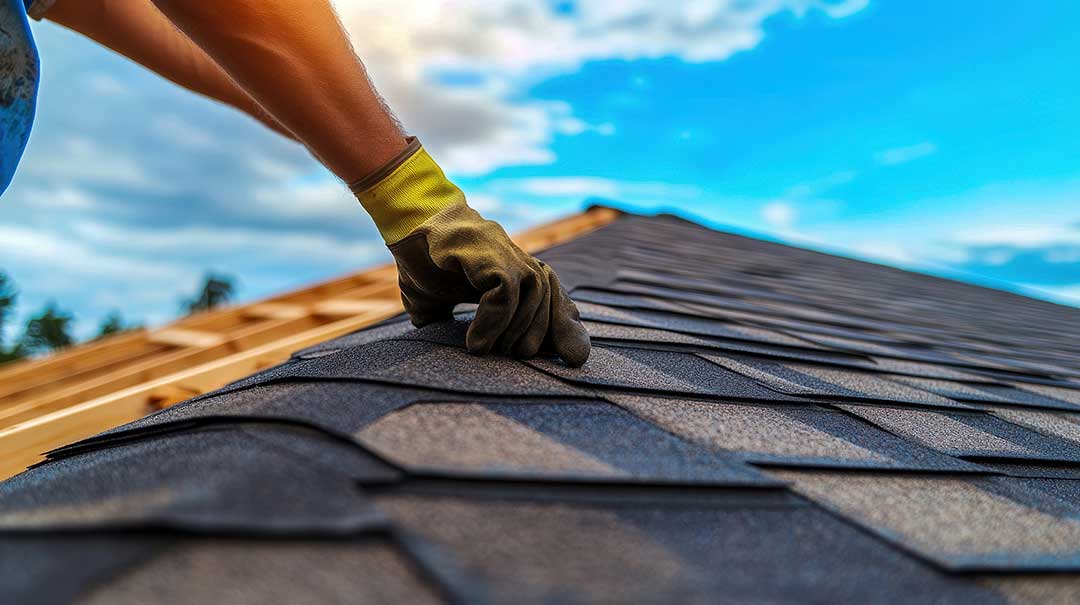
If a temporary patch can be safely applied from the ground or a low, stable ladder—such as using roofing tape or an adhesive-backed tarp over a minor hole—this can help until full repairs are possible. Always follow tool safety rules, avoid working alone, and stop if the roof feels unstable or icy.
What If a Full Repair Can’t Be Completed Right Away?
During COVID-19 and similar events, it is common for full repairs to take longer than usual due to illness, labor shortages, or material delays. Area homeowners can ask those performing the work to use temporary patches and weatherproofing techniques so the home is protected until a complete fix is possible. For example, roof cement on smaller leaks or securely fastened tarps can buy extra time in wet weather.
Temporary measures should be monitored, as wind, snow, and rain in Marcellus often dislodge makeshift coverings. Be wary of common misconceptions—plastic tarps are not a long-term solution and should not be left in place for weeks without checks.
Are There Legal or Safety Requirements in Marcellus During a Crisis?
Local restrictions and public health guidance may change quickly. Households should stay updated on:
- Orders limiting unnecessary contact or non-emergency work indoors
- Rules about gatherings, distancing, or access to public drop-off points for roofing waste
- Requirements for mask use or reporting suspected exposure in shared apartment buildings or multi-family residences
If a situation arises where a roof is unsafe—for example, risk of collapse, downed power lines, or visible structural failure—it is essential for residents to keep distance and notify emergency services. Avoid attempting structural repairs alone or in poor conditions.
What to Watch for Moving Forward
After any major crisis passes, recheck roofing for signs of hidden or delayed damage. Water stains, musty smells, or discoloration in the attic or ceilings can indicate ongoing leaks. Many problems develop slowly and may not show up until days or weeks after an event. Fall and spring are especially important times for thorough inspection due to seasonal weather patterns in Marcellus.
