
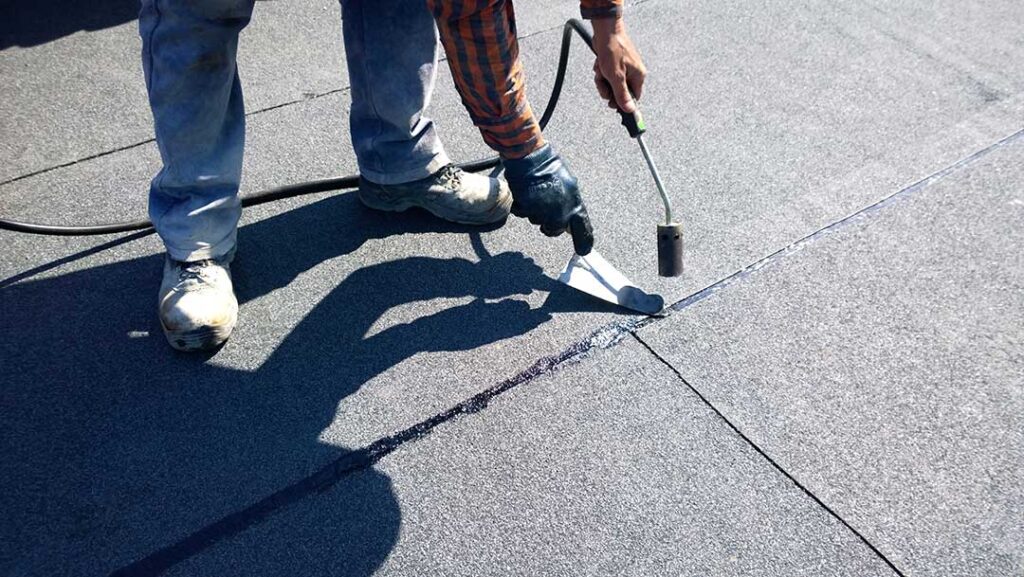
A new roof can reduce indoor allergens when the existing roof allows water into the attic, walls, insulation, or ceiling materials. By stopping leaks and improving moisture control, a properly installed roof may help limit mold growth, musty odors, and the spread of moisture-related particles through the home.
Roof replacement does not remove every indoor allergen. Dust mites, pollen, pet dander, pests, and outdoor air entering through doors or ventilation systems can remain. The main benefit is reducing a major contributor to poor indoor air quality: uncontrolled moisture.
How can a roof affect indoor air quality?
A roof is part of the home’s moisture-control system. Roofing materials, flashing, underlayment, roof-to-wall transitions, vents, and penetrations all work together to keep rain and melting snow outside.
When one of these components fails, water may enter gradually rather than appearing as an obvious ceiling stain. A small leak can wet roof decking, insulation, rafters, drywall, or attic flooring. Materials that stay damp can support mold growth, especially when air movement is limited.
Mold produces spores that can become airborne. For people who are sensitive to mold, exposure may contribute to nasal congestion, sneezing, irritated eyes, coughing, wheezing, or worsening asthma symptoms. Damp materials can also create a persistent musty odor even when visible mold is limited.
In Marcellus, seasonal rain, freeze-thaw cycles, ice accumulation, and snow can place repeated stress on roofing details. A roof that seems acceptable during dry weather may show problems after wind-driven rain, heavy snow, or repeated winter temperature changes.
Does replacing the roof remove mold and allergens?
No. A new roof stops or reduces the source of moisture, but it does not automatically remove mold that has already developed inside the home.
If a leak has affected insulation, drywall, wood framing, carpeting, or stored belongings, those materials may need to be dried, cleaned, repaired, or replaced. Covering a stain with paint or installing new roofing over an unresolved interior moisture problem does not correct the underlying condition.
A complete moisture response usually involves two separate steps:
- Preventing additional water from entering through the roof.
- Addressing wet or contaminated interior materials.
The longer damp materials remain wet, the greater the chance that mold and odors will persist. Anyone with asthma, significant allergies, chronic lung disease, or a weakened immune system should avoid disturbing extensive mold or heavily damaged materials.
Which roof problems are most likely to contribute to allergens?
Certain roofing defects are more closely connected to indoor moisture than ordinary surface aging.
Missing, cracked, or displaced shingles
Open areas can allow rain and melting snow to reach the underlayment or roof deck. Water may then travel along framing before appearing indoors, making the original entry point difficult to identify.
Damaged flashing
Flashing is installed around chimneys, walls, valleys, skylights, and roof penetrations. If it separates, corrodes, or was installed incorrectly, water can enter at seams that are not visible from inside the living space.
Blocked or poorly directed drainage
Leaves, ice, and debris can interfere with water moving toward gutters and downspouts. Water that backs up along roof edges may reach the sheathing, fascia, attic, or wall cavities.
Inadequate attic ventilation
Ventilation does not replace leak prevention, but balanced intake and exhaust ventilation can help manage heat and moisture in the attic. Warm, humid air from the living space may condense on cold roof components during winter if air sealing and ventilation are poor.
Improperly vented exhaust fans
Bathroom and kitchen exhaust fans should discharge outdoors rather than into an attic. Venting humid air into the attic can wet insulation and roof framing, creating conditions that encourage mold even when the roof itself is not leaking.
How can a new roof help with moisture control?
A properly planned roof replacement can address more than the visible shingles. It may include new underlayment, correctly installed flashing, improved drainage details, and repairs to damaged decking.
The work may also reveal hidden conditions such as:
- Soft or deteriorated roof sheathing
- Wet insulation
- Staining around roof penetrations
- Gaps where attic air can escape
- Blocked soffit or ridge ventilation
- Evidence of repeated condensation
Correcting these conditions can reduce the amount of water and humid air reaching enclosed parts of the building. In turn, that can lower the likelihood of future mold growth.
Roof ventilation must be designed as a system. Adding an exhaust vent without adequate intake air can produce limited benefit and may draw air from unintended openings in the ceiling. The roof assembly, attic insulation, air sealing, and bathroom or kitchen exhaust should be considered together.
What signs suggest the roof may be affecting indoor allergens?
The following patterns may point to a roof-related moisture problem:
- A musty smell that is strongest in upper rooms, closets, or near attic access
- Brown, yellow, or gray ceiling stains
- Peeling paint or bubbling drywall near exterior walls
- Damp or compressed attic insulation
- Mold-like spotting on roof sheathing or framing
- Allergic or respiratory symptoms that worsen at home or after rainy weather
- Repeated repairs to the same ceiling or wall area
- Visible daylight around roof penetrations or attic openings
- Frost or heavy condensation on attic surfaces during cold weather
These signs do not prove that the roof is the cause. Plumbing leaks, ice dams, foundation moisture, high indoor humidity, and duct problems can create similar symptoms. Finding the moisture source is more useful than assuming every indoor allergy problem begins with the roof.
Can a new roof reduce pollen or dust indoors?
Only indirectly. A new roof does not filter pollen, dust, pet dander, or outdoor particles from the air. Those allergens typically enter through doors, windows, cracks, ventilation systems, clothing, pets, and heating or cooling equipment.
However, reducing roof-related dampness may help prevent those particles from settling into mold-prone materials. Moisture can also make dust and debris adhere to surfaces and may support dust mite growth in suitable indoor conditions.
For broader indoor air-quality control, households can keep indoor humidity in a moderate range, repair plumbing leaks, use bathroom and kitchen exhaust fans, maintain heating and cooling filters, and clean settled dust with methods that do not simply redistribute it into the air.
What should residents check after roof replacement?
After the roofing work is complete, the attic and upper-level rooms should be checked during and after significant rain or snowmelt. Look for new staining, damp insulation, musty odors, or condensation.
It is also useful to confirm that:
- Attic exhaust fans and bathroom fans discharge outdoors.
- Soffit or other intake vents are not blocked by insulation.
- Gutters and downspouts direct water away from the structure.
- Damaged interior materials were not left enclosed while still wet.
- Attic access panels are reasonably air-sealed.
- Any visible mold was handled separately from the roof installation.
Roof replacement can be an important part of reducing moisture-related allergens, but indoor air quality depends on the entire building envelope and the way the home is operated. The most effective result comes from keeping water outside, allowing damp materials to dry, and correcting the interior conditions that let mold and moisture persist.
